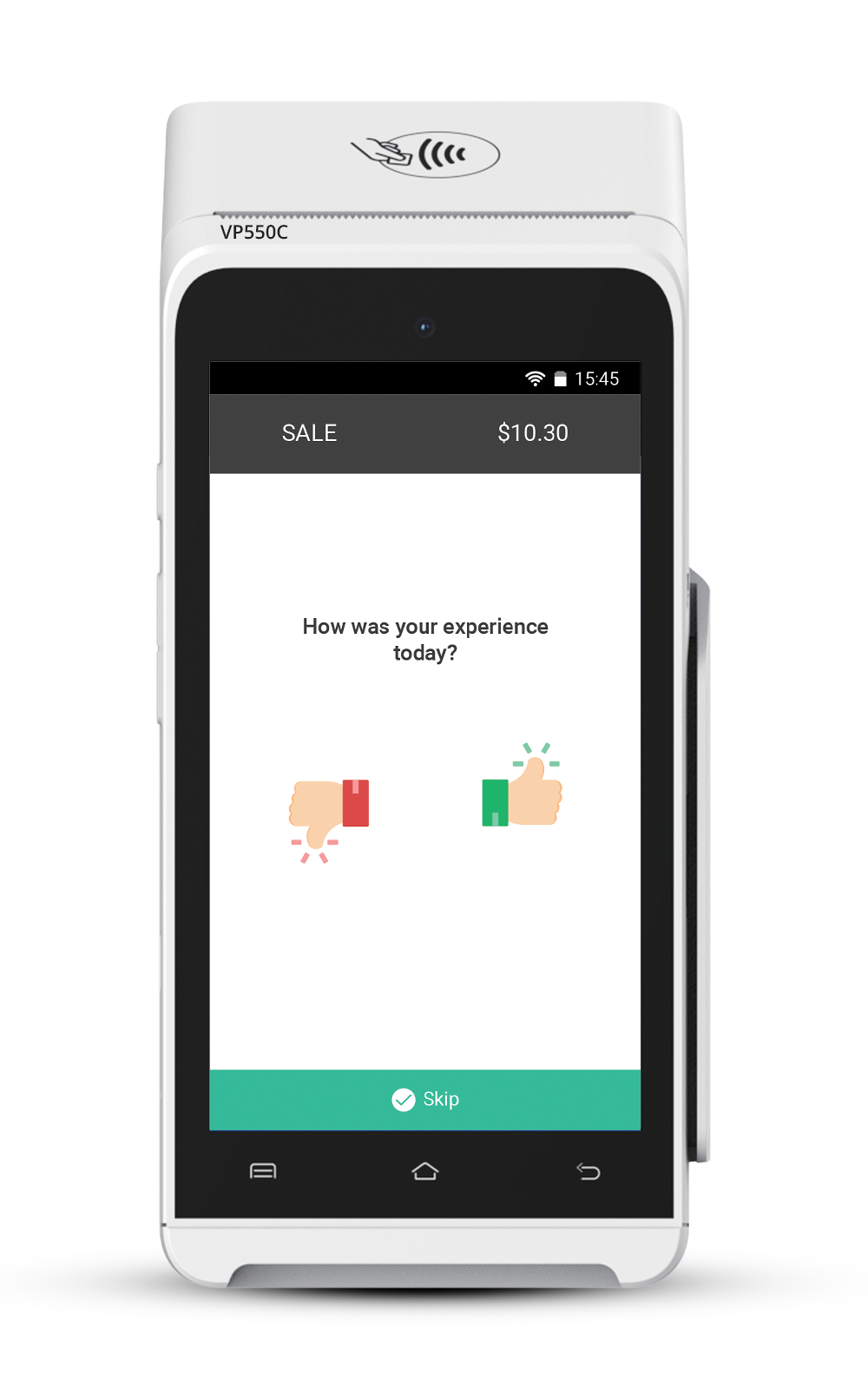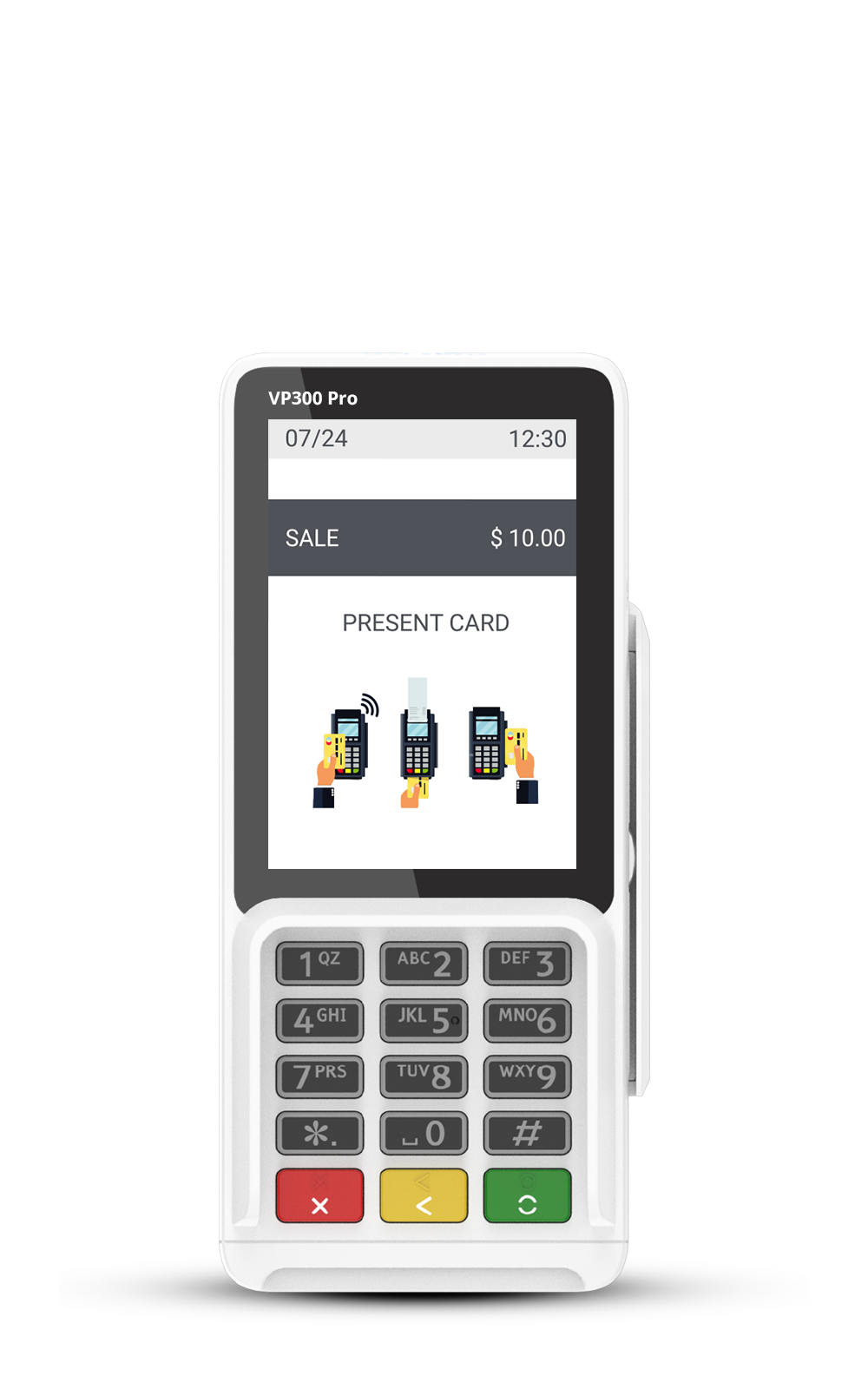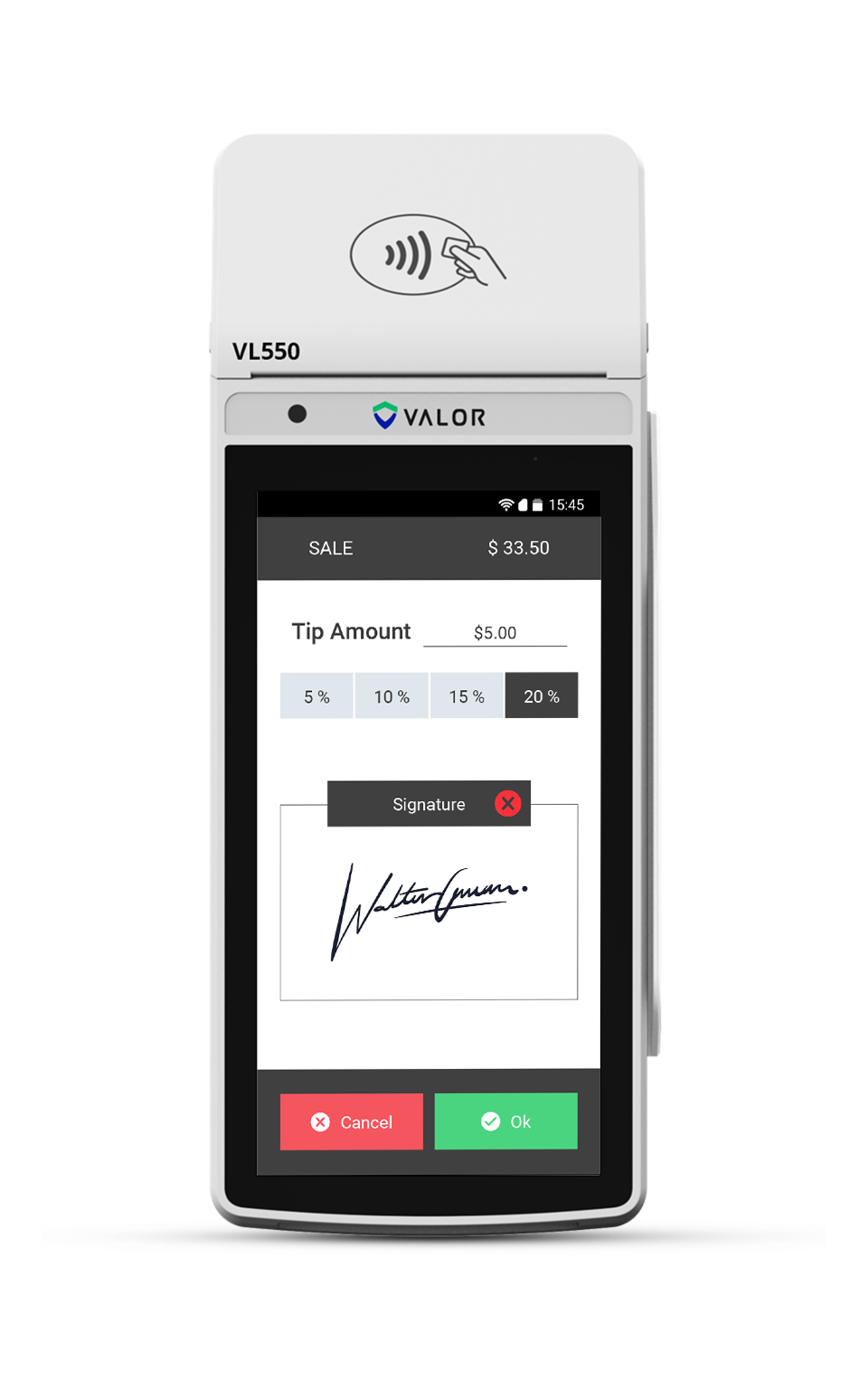

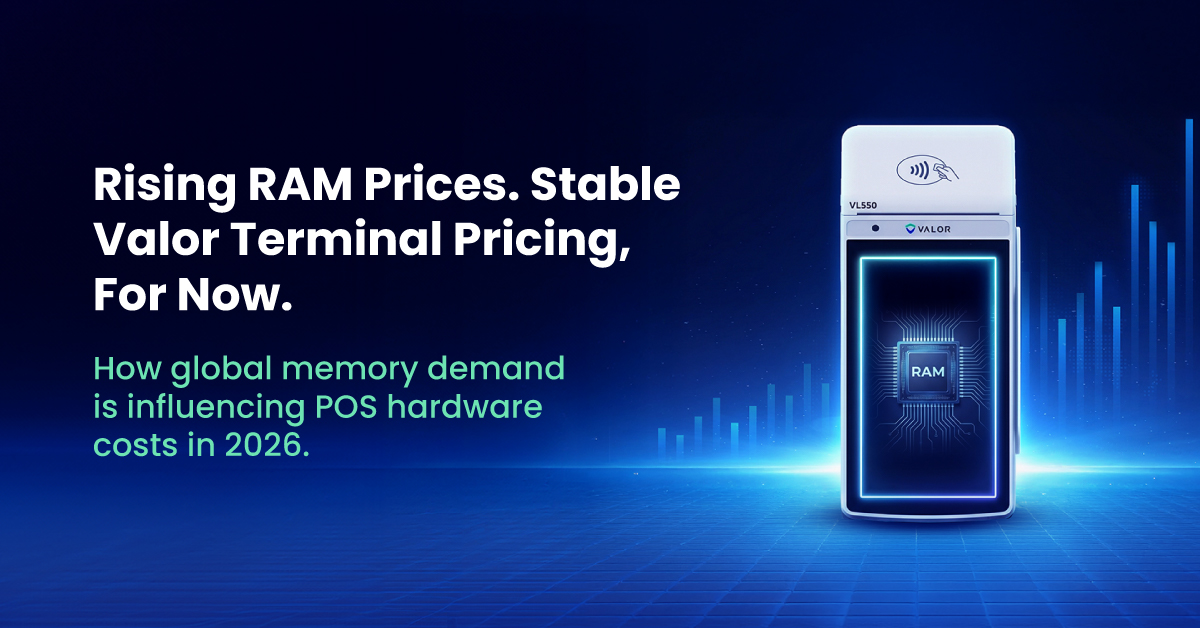
“RAM prices are rising globally, and higher memory costs are expected to influence POS terminal pricing across the industry in 2026.
Valor secured inventory early and increased production before recent RAM price increases took effect. Because of this, pricing across all current Valor terminal models remains stable for now.
However, this stability depends on existing inventory. Once current stock is sold and new production reflects higher memory costs, terminal pricing is likely to increase.”
Explore current Valor terminal availability and pricing. Contact us today.
The sections below explain what is happening in the memory market and why timing matters.
Why Are RAM Costs Increasing?
RAM prices go up and down over time. That is normal in the semiconductor industry. But the current increase is not just a short-term spike. It is being driven by bigger changes in global technology demand.
Several key factors are behind today’s higher RAM prices:
Artificial Intelligence Growth
Artificial intelligence (AI) is one of the main reasons memory demands is rising.
AI data centers need much more memory than traditional computer systems. As more companies invest in AI tools and infrastructure, the demand for high-performance memory continues to grow.
Industry research firms such as TrendForce and Gartner report that AI server expansion is putting ongoing pressure on global DRAM supply. Some parts of the memory market are expected to remain tight through 2026 as AI investment continues.
Changes in Manufacturing Priorities
To support AI demand, semiconductor manufacturers are shifting production toward memory designed for high-performance computing.
When factories adjust production this way, the supply of standard DRAM, the type commonly used in business hardware like payment terminals, can become more limited.
Global Supply Shifts
A larger share of memory production is now being directed toward large cloud providers and AI data centers.
This means less memory is available for other types of hardware, including payment terminals and other business devices.
When demand grows faster than supply, prices increase. That is what we are seeing in the RAM market today.
How Semiconductor Pricing Cycles Typically Work
To understand how rising RAM costs influence terminal pricing, it helps to understand how semiconductor pricing cycles progress.
These cycles often follow a consistent pattern:
Step 1: Demand Increases
A new technology trend creates higher demand for certain components. Right now, artificial intelligence (AI) is driving that demand.
Step 2: Production Shifts
Manufacturers focus more on producing the components that are in high demand. When they do this, fewer resources are available for other types of memory.
Step 3: Component Prices Rise
When more companies want memory than manufacturers can produce, prices go up.
Step 4: Hardware Prices Follow
As manufacturers build new products using higher-cost memory, the price of finished hardware increases.
There is usually a delay between memory price increases and hardware price changes. This depends on how much inventory is already available and when new products are manufactured.
Right now, the memory market is moving through these stages, and hardware pricing is slowly adjusting to higher RAM costs.
How Rising RAM Costs Affect Payment Terminals
Payment terminals are small but powerful computing devices. Inside each terminal are processors, storage, security components, operating systems, and RAM.
RAM helps the terminal:
- Process transactions quickly
- Run payment applications smoothly
- Support software and security updates
- Maintain encryption and data protection
- Keep the system stable during daily use
When RAM costs increase, the cost to build POS terminals also goes up. Over time, higher component costs can lead to higher hardware prices across the industry.
However, price changes do not happen right away. POS Terminals that were built before memory costs increased may still be sold at earlier pricing. Prices usually adjust when new inventory is produced using higher-cost components.
This is why terminal pricing can remain steady for a period, even when RAM prices are rising in the background.
Valor’s Proactive Approach to Pricing Stability
Although rising RAM costs are affecting hardware production worldwide, not every provider feels the impact at the same time.
Valor closely monitors semiconductor supply trends and memory pricing signals. When early signs of sustained RAM price increases appeared, action was taken in advance.
Memory components were secured early, and production was increased across all Valor terminal models before recent cost escalations took effect.
Because of this proactive planning, current inventory was built under earlier cost structures.
As a result, pricing across all Valor terminal models remains stable in the immediate term.
However, this stability depends on existing inventory. Once current stock is sold and new production reflects today’s RAM market costs, terminal pricing is expected to adjust in line with broader industry trends.
This approach reflects forward planning and supply management, not reactive pricing changes.
How Rising RAM Costs May Impact POS Terminal Pricing in 2026
For organizations planning terminal upgrades or expansion in 2026, a few practical steps can help:
- Review upcoming hardware needs
- Confirm deployment timelines
- Evaluate replacement schedules
- Stay informed about semiconductor market trends
- Consider current inventory availability
Timing can affect overall cost. Equipment produced under earlier component pricing may differ in cost from units built under updated market conditions.
Understanding these factors supports informed planning and reduces the risk of unexpected pricing changes later.
Here are some trusted Cloud POS providers widely used across industries:
Valor stands out because it is built cloud-first — not retrofitted — which means instant updates, scalable control, and enterprise-grade portfolio management.
This aligns with what merchants expect — and what ISOs and ISVs need to win.
Conclusion
Rising RAM costs are reshaping hardware pricing across the technology industry. Payment terminals, like all modern devices, rely on memory components influenced by global semiconductor supply and demand trends.
Through proactive planning and early procurement, Valor secured inventory ahead of recent RAM price increases. This has allowed pricing stability across all current Valor terminal models in the near term.
As production cycles align with prevailing memory market conditions, broader pricing adjustments are expected. Understanding these dynamics supports informed hardware planning in 2026 and beyond.
FAQ
1. What is RAM?
RAM (Random Access Memory) is a component that allows devices to process data and run applications efficiently. POS terminals use RAM to handle transactions and system functions.
2. Why are RAM prices increasing?
RAM prices are rising due to higher global demand, especially for artificial intelligence infrastructure, and supply limitations in the semiconductor industry.
3. Why are RAM prices expected to remain high in 2026?
Industry analysts expect continued demand from AI data centers and limited production capacity to keep memory markets tight into 2026.
4. How do rising RAM costs affect POS terminals?
Higher RAM costs increase manufacturing expenses for terminals, which may influence hardware pricing over time.
5. What is causing the global memory supply constraint?
Growing demand for AI infrastructure and production shifts toward high-performance memory are reducing the supply available to other hardware segments.
Ready to get started?
Become a Partner Today!
Complete the form below.